Science & Insights
Rice Husk Silica: From Feedstock to Formulation
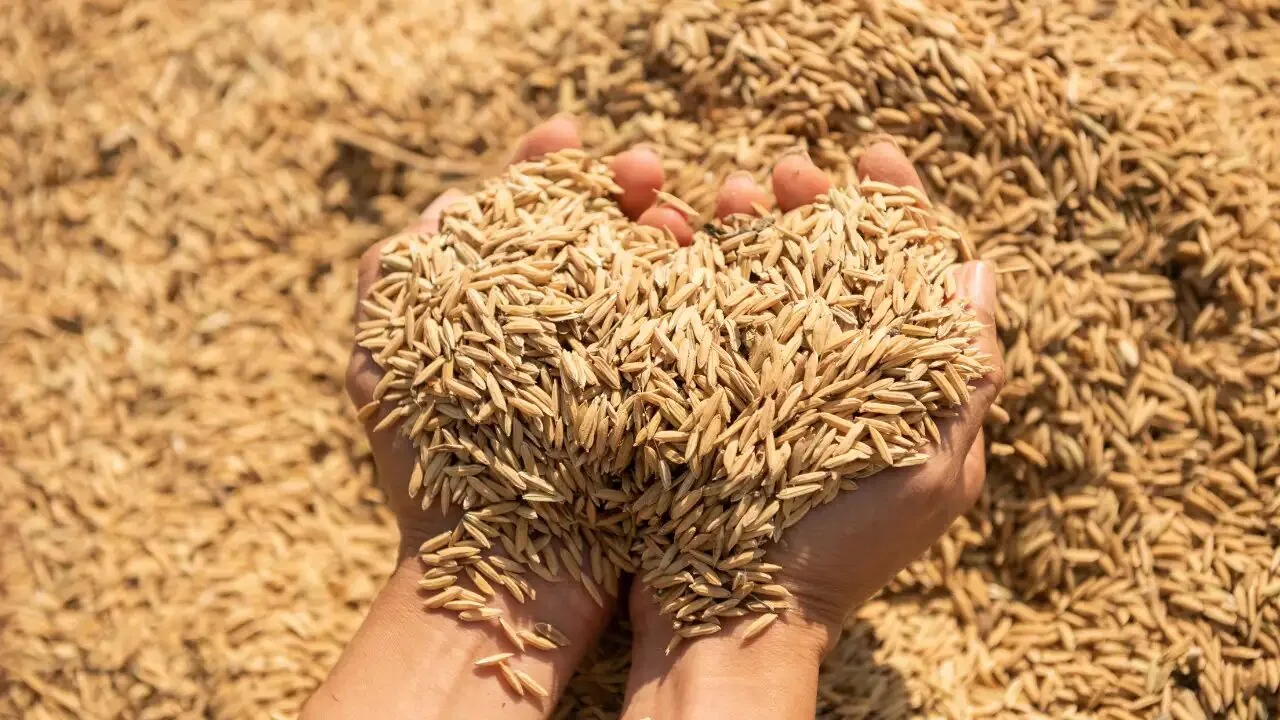
Rice husk silica is silicon dioxide recovered from the silica-rich husk of rice, commonly through rice husk ash. Biosilico by BSB Nanotech develops this agricultural by-product into functional silica for industrial formulations in Vietnam.
From rice husk ash to functional silica
Rice husk ash is a feedstock, not a finished silica grade. Controlled processing, purification and surface modification determine the properties of the resulting material. Buyers should compare the finished product specification rather than assume that all rice-husk-derived materials perform alike.
Bio-based silica and conventional silica
Bio-based describes the origin of the feedstock. It does not by itself define purity, particle size, surface area or performance. Rice husk silica and conventional silica must be compared within the same application, using equivalent test methods and the relevant technical data sheets. A renewable feedstock alone does not establish a particular carbon footprint or biodegradability claim.
Applications across industries
Coatings use selected silica grades for matting and rheology control. Rubber formulators evaluate reinforcement and dispersion. Personal care applications include texture adjustment and exfoliation. Food, feed and agricultural uses require grades and documentation appropriate to their intended use. One grade should not be assumed suitable for every industry.
A renewable source still needs a precise specification
The useful distinction is between where silica comes from and what the finished grade can do. “Rice husk silica” identifies a feedstock pathway. “Precipitated”, “colloidal” and “surface-treated” describe different material forms or processing choices. These descriptions are complementary, not interchangeable. A purchasing brief that specifies only “bio-based silica” leaves several formulation-critical questions unanswered.
Silica derived from rice husk ash can enter a commercial materials supply chain, rather than remain a laboratory concept. Solvay’s account of its Livorno programme is one documented industrial example. Its plant-specific performance and emissions statements, however, must not be transferred to a different producer or grade. [1]
| Question | Evidence to request | Why it matters |
|---|---|---|
| What is the material? | Grade name, composition and processing description | Separates raw ash from a specified silica product. |
| Is the form suitable? | Powder or dispersion; surface treatment; solids content where applicable | Helps identify compatibility and handling requirements. |
| Will it meet the application? | Relevant TDS parameters and a sample trial | Connects the specification with the intended formulation. |
| How consistent is supply? | COA, agreed limits and change-notification arrangements | Supports repeatable incoming quality checks. |
| Which environmental claims are supported? | Traceability and the specific assessment behind each claim | Avoids treating renewable origin as a universal sustainability certificate. |
Compare at equal performance, not only equal dosage
For a useful substitution study, keep one trial at equal mass dosage to understand processing differences. Then compare formulations that achieve the same target outcome, such as an agreed gloss level. These answer different questions: the first compares behaviour at a fixed addition; the second compares the material requirement for a defined result.
Include total formulation cost and manufacturing practicality in the assessment. A lower purchase price does not establish a lower cost in use if the dose, dispersion time or reject rate changes. Conversely, a higher-priced grade may be viable when the finished formulation meets the brief with less material or simpler processing. These are evaluation questions, not guaranteed savings.
A practical supplier qualification sequence
- Write the brief: describe the intended market, formulation, processing equipment and non-negotiable acceptance criteria.
- Screen the documentation: check the grade identity, test methods, specification limits and intended-use support.
- Run a controlled trial: document the reference material, batch conditions and measurement method.
- Confirm reproducibility: repeat the selected condition and assess a further batch before commercial approval.
- Agree the supply specification: define incoming checks, packaging and how technical changes will be communicated.
Questions frequently asked by formulators
Is rice husk ash the same as rice husk silica? No. Ash is an intermediate feedstock whose composition depends on its production. Finished silica is processed and supplied to a defined grade specification.
Can it replace an existing silica one for one? That is a trial question. Matching the origin or a single specification value is insufficient to establish equivalent dispersion, rheology or final performance.
What should be sent with a sample request? The application, reference grade, target properties, test protocol and expected supply needs give the technical team a usable starting point.
Explore the relevant materials
References and reading notes
Sources were consulted on 21 October 2026. Supplier examples describe their own products. Trial frameworks in this article are editorial guidance, not Biosilico grade specifications or reported experimental results.